One Plant, Whole House: The Bamboo Economy of the Traditional Lepcha Home
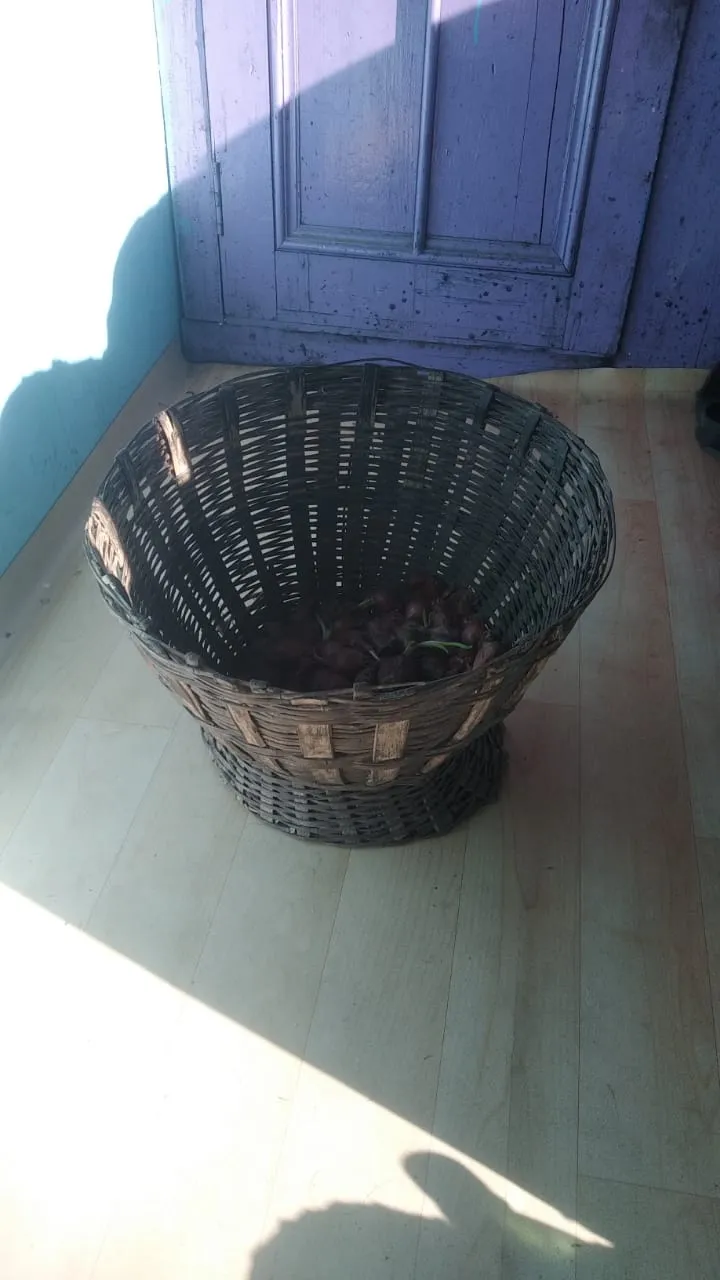
Photo: Rajani Gairshail, CC BY-SA 4.0, via Wikimedia Commons
The Original Multi-Tool
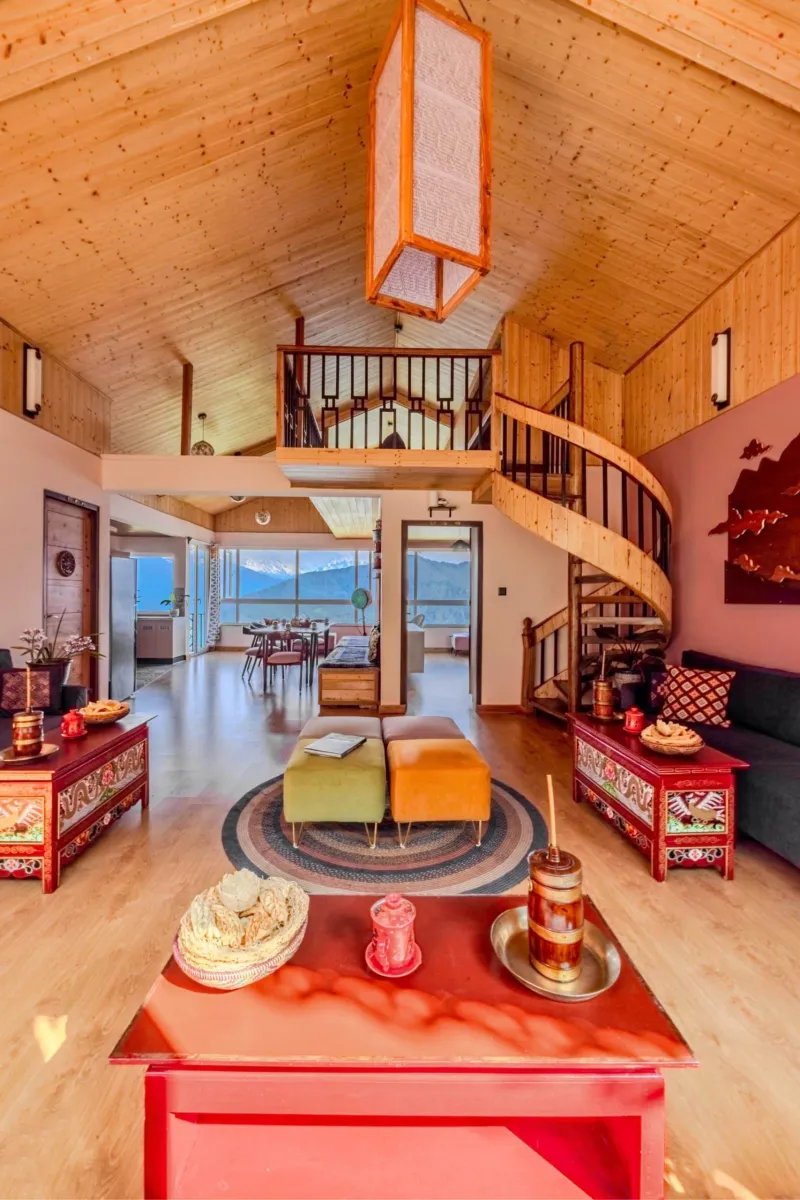
Walk through a traditional Lepcha home in the hills of Sikkim and you will notice something almost disorienting: the same material everywhere. The walls, the floor mats, the water vessels, the musical instruments, the fencing around the garden—all of it bamboo. One plant, endlessly reinterpreted.
For Americans steeped in a consumer culture of hyper-specialized goods—separate products for slicing, storing, stirring, and seating—this monomaterial economy looks like poverty of options. Look closer and it is something else: a mastery of one resource so complete that it replaces a hardware store.
Five Objects That Furnish a Life
1. The water vessel and drinking cup. Cut, segmented, and cured, a length of bamboo becomes a watertight container with no glue, no machining, no plastic liner. Finished with fire and skill, it lasts for years and returns to the soil at the end of its life without ceremony.
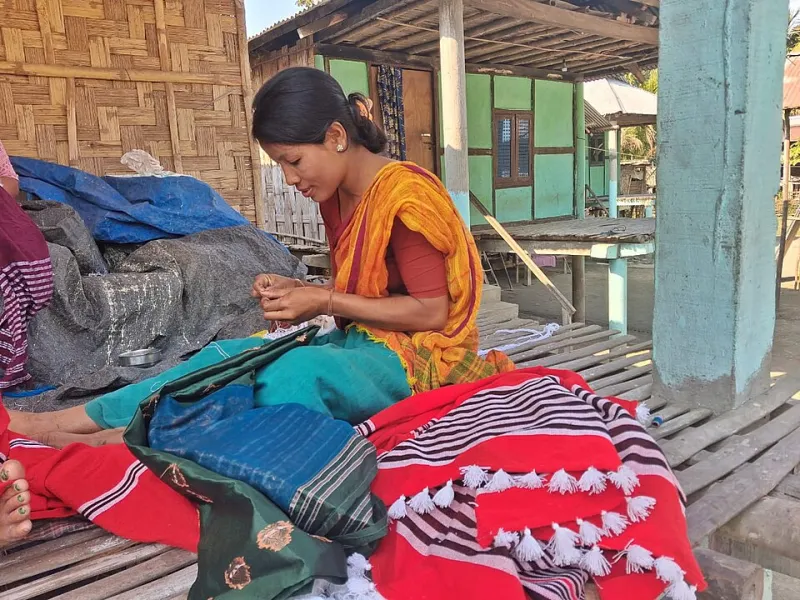
2. The woven basket (mūng). Split bamboo strips, woven by hand, produce baskets for carrying harvests, storing grain, and winnowing grain from chaff. Different weaves serve different purposes—a density of design knowledge passed between generations, the kind of expertise we now expect a factory to hold instead of a family.
3. The house itself. Bamboo poles form frames, walls, and flooring in traditional Lepcha architecture, often paired with woven bamboo matting and thatch. The material is light, earthquake-tolerant, renewable on a scale timber cannot match, and grows in the surrounding forest rather than arriving on a truck.
4. The mouth organ and flute. Bamboo instruments carry Lepcha song—flutes and reed instruments whose resonance comes from the same hollow chambers that held water that morning. Music, in this economy, is not a purchased product but another function of a shared material.
5. The ritual object. Bamboo appears in ceremonies and offerings, from vessels for ritual libations to implements used in healing and rites. The plant that shelters the household also mediates between it and the sacred. Very few materials in any culture carry that full span—from water pipe to prayer.
The 'Buy It for Life' Movement, Anticipated
A parallel movement is growing in the United States. Subreddits devoted to 'buy it for life' goods, the popularity of cast iron, wool, and leather, the low-waste living trend—these are all protests against disposability, searches for objects that endure.
The bamboo economy takes the logic further. The question is not merely 'which product will last?' but 'how few products can I need?' Versatility, not accumulation, becomes the mark of a well-equipped life. One well-understood material, skillfully worked, outperforms a garage of specialized tools—because the real technology is knowledge, carried in people rather than purchased in things.
The Catch—and the Lesson
Honesty requires noting the trade-offs. This system depends on dense intergenerational skill transmission and on access to standing bamboo groves. It is labor-intensive in ways a modern schedule resists. Few Americans will weave their own baskets, and there is no romance in pretending otherwise.
But the principle translates. Choose materials that age well and return gracefully. Prefer versatile tools over specialized gadgets. Learn one thing deeply rather than owning everything shallowly. The traditional Lepcha home, furnished from a single plant, is not a lifestyle aesthetic. It is an argument—quiet, practical, and growing back every year.