Lepcha Heritage Voices from the Roof of the World

Lepcha Heritage

Voices from the Roof of the World

Latest Articles

A Forest With Rules, Not a Fence: Lepcha Sacred Groves and the Future of Conservation
Environment & Place

A Forest With Rules, Not a Fence: Lepcha Sacred Groves and the Future of Conservation

Sacred groves in the Eastern Himalaya are protected less by patrols than by memory, ritual obligation, and shared rules. Their example complicates American debates over public lands, where conservation is often imagined as a boundary rather than a relationship.


Stories Are Not Data: Lepcha Oral Tradition and the Consent Problem in Generative AI
Language & Linguistics

Stories Are Not Data: Lepcha Oral Tradition and the Consent Problem in Generative AI

In Lepcha oral tradition, stories often belong to a community and a place rather than to a single author. That makes them awkward material for AI systems built on individual authorship and open scraping, and it raises a question the generative AI debate has barely begun to answer.

The Sickle That Stayed: Lepcha Repair Culture and the Case Against Replacement
Craft & Heritage

The Sickle That Stayed: Lepcha Repair Culture and the Case Against Replacement

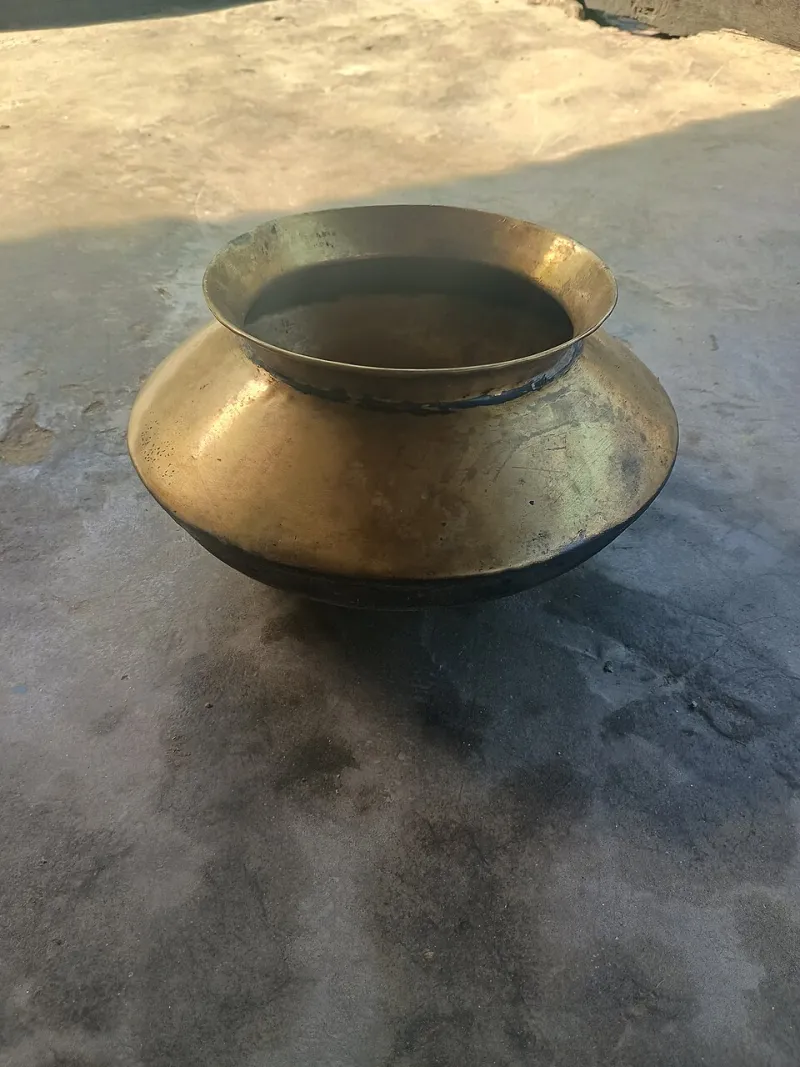
In Lepcha households, tools are often repaired, adapted, and handed down long after an American consumer would have replaced them. That habit is not nostalgia; it is a form of knowledge with direct relevance to the right-to-repair movement and the hidden costs of disposable goods.

The Mountain That Was an Elder Before It Was a Defendant: Kanchenjunga and the Rights of Nature
Food & Culture

The Mountain That Was an Elder Before It Was a Defendant: Kanchenjunga and the Rights of Nature

As American courts weigh whether rivers and forests can hold legal rights, they are catching up to an argument the Lepcha people made long before modern law existed. Kanchenjunga's sacred standing offers a test case for the rights-of-nature movement.

Fermented Greens and Zero Food Miles: Inside a Himalayan Pantry That Never Needed a Label
Food & Culture

Fermented Greens and Zero Food Miles: Inside a Himalayan Pantry That Never Needed a Label

Long before American farmers markets made 'local' a selling point, Lepcha households ate from slopes they could see from their door. This look at traditional Himalayan foodways reveals what a truly place-based cuisine can teach a nation still counting its food miles.

Words the Dictionary Never Caught: Five Lepcha Terms That Say What English Can't
Language & Linguistics

Words the Dictionary Never Caught: Five Lepcha Terms That Say What English Can't

'Untranslatable words' lists flood the internet, but most stop at the charming. Five Lepcha terms—drawn from kinship, ecology, and emotional life—show how vocabulary encodes an entire way of living in the world.

A Tongue Without a Flag: The Quiet Battle to Keep Lepcha Alive in the Digital Age
Language & Linguistics

A Tongue Without a Flag: The Quiet Battle to Keep Lepcha Alive in the Digital Age

Lepcha has survived centuries of empire, missions, and monolingual pressure without ever belonging to a nation-state. As American policymakers push English-only agendas, the activists digitizing this Himalayan language offer a lesson in what is actually lost when a tongue goes quiet.

Before the Entrance Fee: What Kanchenjunga Exposes About the American Idea of Wilderness
Food & Culture

Before the Entrance Fee: What Kanchenjunga Exposes About the American Idea of Wilderness

Americans invented the national park as a playground — a place bought, fenced, and managed for recreation. The Lepcha relationship with Mount Kanchenjunga proposes something radically different: land you belong to, rather than land that belongs to you.

Millet Beer and the End of the Rushed Meal: Hospitality Rules Worth Stealing From the Himalaya
Food & Culture

Millet Beer and the End of the Rushed Meal: Hospitality Rules Worth Stealing From the Himalaya

In Lepcha households, feeding a guest is not a courtesy — it is a moral event with its own etiquette, pacing, and unspoken contracts. Here are five customs from the Lepcha table that might rescue the American dinner party from its own stopwatch.

Rivers as Relatives: Five Lepcha Principles the Colorado River Basin Needs
Food & Culture

Rivers as Relatives: Five Lepcha Principles the Colorado River Basin Needs

The Lepcha treat rivers as living kin with rights of their own—a water ethic with direct consequences for how water is taken, shared, and returned. As the Colorado River shrinks and Western aquifers fall, five of those principles read less like folklore and more like policy.

The Sky as a Storybook: What Lepcha Star Lore Offers a Nation That Forgot the Dark
Language & Linguistics

The Sky as a Storybook: What Lepcha Star Lore Offers a Nation That Forgot the Dark

For the Lepcha, the night sky was never a chart to be consulted but a library to be inherited. As American skies brighten and bedtime stories shrink to screen time, an ancient Himalayan tradition of narrative astronomy suggests a way back to wonder.

It Takes a Slope, Not Just a Village: Rethinking the Nuclear Family Through Lepcha Child-Rearing
Food & Culture

It Takes a Slope, Not Just a Village: Rethinking the Nuclear Family Through Lepcha Child-Rearing

An American parent, exhausted by the economics of solo child-raising, looks to the Lepcha tradition of communal upbringing—where children learn by contributing and the whole community carries the weight—and asks whether the nuclear family was ever the right container for childhood.

Language & Linguistics

Reading the Sky Without an App: Lepcha Forecasting and the Lost Literacy of Weather

Long before radar, Lepcha farmers read bird calls, wind directions, and the behavior of flowering plants to time their harvests. Their forecasting vocabulary reveals a language built for attentiveness—and a question for a country that checks its phone before it checks the sky.

Continuing the Conversation: How Lepcha Dream Traditions Rethink What It Means to Mourn
Food & Culture

Continuing the Conversation: How Lepcha Dream Traditions Rethink What It Means to Mourn

In Lepcha communities of the eastern Himalayas, a dream visitation from a departed elder is not dismissed as a trick of neurons—it is received as correspondence. This article examines how that framework reframes mourning as an evolving relationship, and why American grief culture's fixation on 'closure' may be asking the wrong question.

One Plant, Whole House: The Bamboo Economy of the Traditional Lepcha Home
Food & Culture

One Plant, Whole House: The Bamboo Economy of the Traditional Lepcha Home

A traditional Lepcha household can be furnished, fed, and instrumented largely from a single plant. Five essential bamboo objects tell the story—and pose a pointed question to America's garage full of specialized stuff.

Thread That Remembers: What Lepcha Weavers Know That Fast Fashion Forgot
Food & Culture

Thread That Remembers: What Lepcha Weavers Know That Fast Fashion Forgot

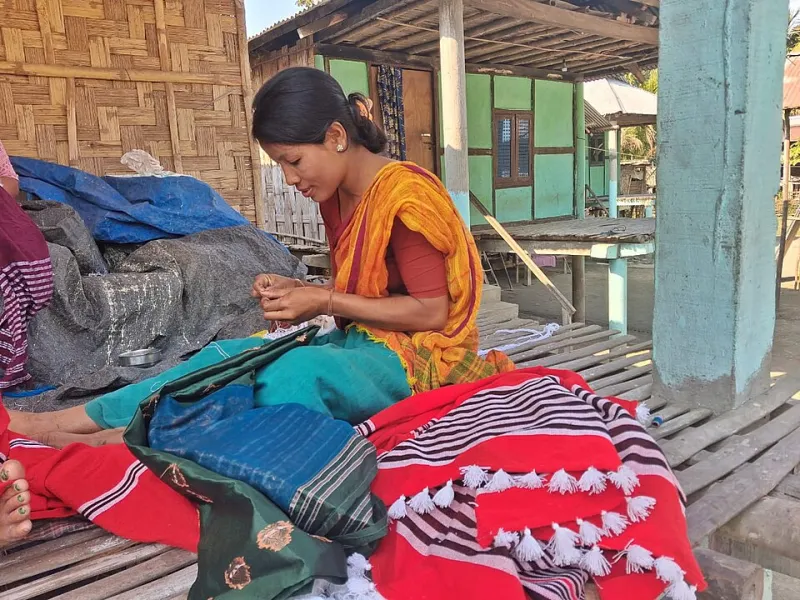
In Lepcha households, a garment is an archive — of fiber, place, and family history — not a trend cycle. As the slow fashion movement searches for working models rather than slogans, Himalayan weaving communities offer one that has run for centuries.

No Screens, No Equipment, No Problem: Recess Lessons From the Himalayas
Food & Culture

No Screens, No Equipment, No Problem: Recess Lessons From the Himalayas

Traditional Lepcha children's games — stone-throwing contests, riddle circles, storytelling chases — run on imagination, terrain, and teamwork rather than gear or apps. As American educators rethink recess, these Himalayan pastimes map neatly onto what developmental science says children actually need.

Before Music Was Something We Bought: The Living Songways of the Lepcha
Language & Linguistics

Before Music Was Something We Bought: The Living Songways of the Lepcha

In Lepcha households, song has never been a product — it is a language extension, a work tool, and a way of putting children to sleep in one of the world's oldest tongues. As American choirs and vinyl collectors rediscover music as practice rather than possession, the Himalayan tradition offers a pointed question: what did we trade away when songs became things we own?

To Be Truly Known: The Lepcha Art of Witnessing and What It Offers a Lonely Nation
Food & Culture

To Be Truly Known: The Lepcha Art of Witnessing and What It Offers a Lonely Nation

In Lepcha communities of the eastern Himalayas, being seen by another person is not incidental—it is a deliberate, sacred act woven into daily life. As the United States grapples with what the Surgeon General has called an epidemic of loneliness, this ancient practice of authentic witnessing offers something social media metrics and digital validation simply cannot: the experience of being genuinely known.

Earned Authority: How Lepcha Communities Teach Younger Generations to Question Wisely
Language & Linguistics

Earned Authority: How Lepcha Communities Teach Younger Generations to Question Wisely

In Lepcha communities, deep reverence for elders and the freedom to challenge their knowledge are not contradictions — they are complementary practices embedded in language, ritual, and social structure. This article examines the specific protocols and linguistic patterns that make respectful dissent not only possible but culturally essential. For American readers navigating the twin failures of blind deference and reflexive dismissal, the Lepcha model offers a third path.