Mountain Roots, Modern Tables: How Lepcha Food Traditions Are Nourishing a New Conversation About Wellness
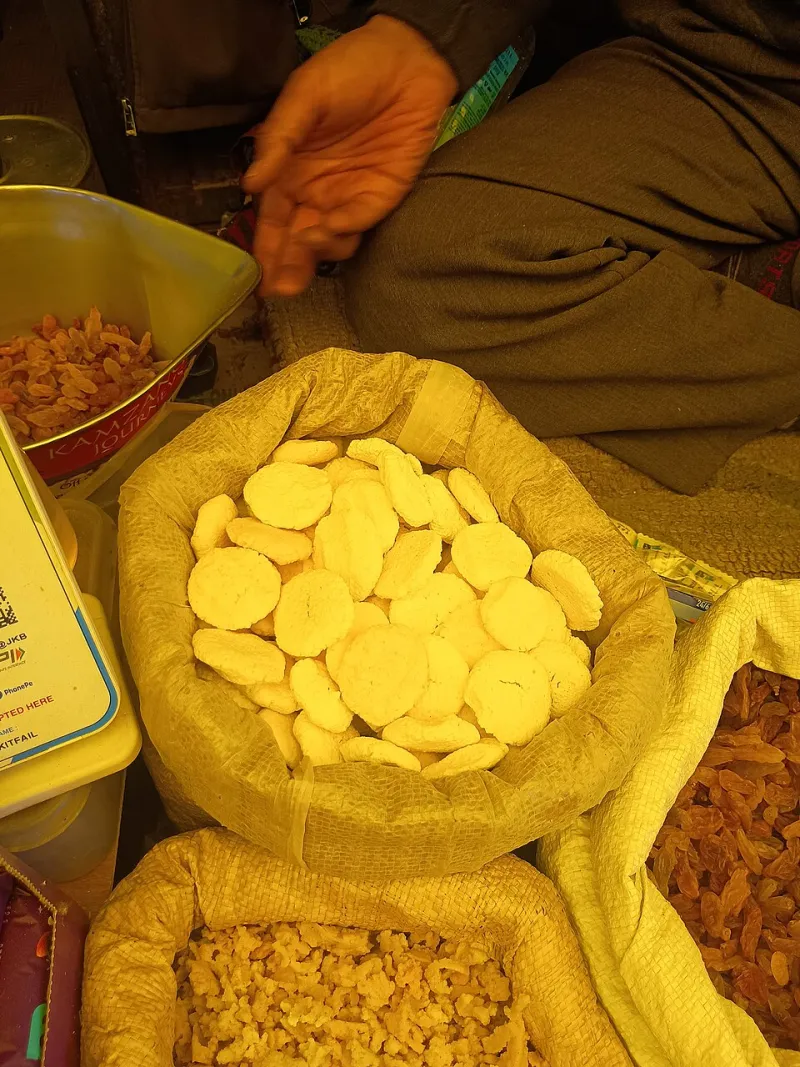
Photo: Rajani Gairshail, CC BY-SA 4.0, via Wikimedia Commons
Walk through the wellness aisle of any Whole Foods or specialty grocer in an American city today and you will encounter a familiar vocabulary: adaptogenic, probiotic, ancient grain, plant-based, sustainably sourced. These terms have become the lingua franca of a health food industry valued in the hundreds of billions of dollars. What most American consumers do not realize is that many of the principles underlying these trends have been practiced for centuries by communities like the Lepcha people of the eastern Himalayas — communities whose food traditions emerged not from nutritional research but from an intimate, generations-deep relationship with a specific landscape.
The Lepcha people, known to themselves as the Róng, are among the oldest indigenous inhabitants of the Sikkim region and the surrounding Himalayan foothills. Their food culture is inseparable from their ecological worldview — one that treats the land not as a resource to be extracted but as a living system to be understood and respected. As that worldview attracts growing interest in sustainable agriculture and integrative nutrition circles, Lepcha food traditions are entering a new and complicated chapter.
Fermentation as Foundation
Fermented foods occupy a central place in the Lepcha diet, and their prominence long predates the kombucha craze that swept American coffee shops in the 2010s. Among the most significant is chhang, a mildly alcoholic beverage brewed from millet, maize, or finger millet that serves both as a daily staple and as a ceremonial offering. Chhang is prepared through a fermentation process that activates naturally occurring microorganisms, producing a drink rich in probiotics and B vitamins.
Equally important is kinema, a fermented soybean preparation that functions somewhat like a pungent, sticky condiment and is used to flavor soups and stews. Nutritionally, kinema is remarkably dense: fermentation enhances the bioavailability of its protein content and generates beneficial enzymes that support digestive health. Contemporary food scientists studying traditional fermented foods of the Himalayan region have noted that kinema shares functional properties with better-known fermented soy products like Japanese natto, though it remains virtually unknown outside South Asian diaspora communities.
For Lepcha families who have emigrated to cities in India, Bhutan, or abroad, these fermented staples carry deep emotional weight. Preparing chhang or kinema in a Brooklyn apartment or a Sacramento kitchen is an act that collapses geographic distance and reconnects the cook to a specific place and set of relationships.
Native Grains and the Biodiversity Argument
Long before the term "ancient grain" appeared on a package of crackers, Lepcha farmers were cultivating finger millet — known locally as marua — along with buckwheat, amaranth, and several varieties of rice adapted to high-altitude conditions. These crops were selected and refined over centuries not for maximum yield but for resilience, nutritional completeness, and compatibility with the fragile ecology of the Himalayan slopes.
Finger millet deserves particular attention. It is extraordinarily rich in calcium — containing more per serving than most dairy products — and provides significant quantities of iron, dietary fiber, and amino acids. It is also naturally gluten-free, a characteristic that has made it attractive to American consumers navigating gluten sensitivities. Several small-scale importers have begun introducing finger millet flour to U.S. specialty markets, where it is appearing in products ranging from artisan crackers to protein bars.
The broader significance of these native grains, however, extends well beyond their nutritional profiles. Monoculture agriculture — the cultivation of single, high-yield crop varieties across vast areas — has made the global food supply dramatically more efficient and simultaneously more vulnerable. The genetic diversity preserved in traditional farming communities like the Lepcha represents an irreplaceable insurance policy against crop disease, climate disruption, and the unforeseen consequences of industrial agriculture. When a traditional grain variety disappears because younger farmers abandon it for commercially dominant alternatives, that genetic information is gone permanently.
Medicinal Plants and the Limits of Extraction
The Lepcha relationship with medicinal plants is sophisticated and systemic. Traditional Lepcha healers, known as Mun and Bongthing depending on their spiritual tradition, possess extensive knowledge of the pharmacological properties of Himalayan flora — knowledge accumulated over generations of careful observation and transmitted primarily through oral instruction and apprenticeship.
Several plants central to Lepcha medicinal practice have attracted the attention of ethnobotanists and pharmaceutical researchers. Varieties of Rhododendron used in Lepcha remedies contain compounds with documented anti-inflammatory properties. Certain mosses and lichens harvested from old-growth Himalayan forests are used in preparations for respiratory ailments, and preliminary research suggests these organisms contain bioactive compounds not yet fully characterized by Western science.
The intersection of this traditional knowledge with commercial wellness culture raises serious ethical questions that the Lepcha community and its advocates are actively navigating. The concept of biopiracy — the appropriation of indigenous biological knowledge by outside commercial interests without consent or compensation — is a documented phenomenon with a troubling global history. Any engagement between Lepcha food traditions and the Western wellness industry must grapple honestly with questions of intellectual property, benefit sharing, and community consent.
Lepcha Food Producers and the International Market
A small but growing number of Lepcha food producers are attempting to bring their traditional products to broader markets on their own terms. Cooperatives in Sikkim have begun producing certified organic finger millet and buckwheat for export, working with fair-trade certification bodies to ensure that the economic benefits of international sales flow back to farming communities rather than being captured by intermediaries.
Navigating international food safety regulations, labeling requirements, and import tariffs is a formidable challenge for small producers operating from remote mountain communities. The logistical infrastructure that connects a Himalayan farm to a specialty grocery shelf in Chicago or Portland involves layers of complexity that can quickly become prohibitive without institutional support.
Nonetheless, the appetite among American consumers for foods with authentic cultural provenance and documented sustainability credentials is real and growing. The challenge — and the opportunity — lies in ensuring that this appetite is met in ways that strengthen rather than exploit the communities at the source.
Eating as an Act of Cultural Understanding
Food has always been one of the most accessible entry points into unfamiliar cultures. When an American consumer chooses finger millet flour or seeks out a jar of kinema at an Asian grocery store, they are participating, however modestly, in a chain of connection that extends back to the Himalayan foothills and the agricultural wisdom of the Lepcha people.
That connection carries a responsibility — to learn something of the context from which these foods emerged, to support supply chains that respect the communities who cultivated them, and to resist the impulse to reduce a rich cultural tradition to a list of health benefits on a nutrition label. The Lepcha food tradition is not a wellness trend. It is a living system of knowledge, relationship, and meaning that has sustained a people in one of the world's most demanding environments for centuries. Approached with genuine curiosity and respect, it has much to teach the rest of us.