Millet Beer and the End of the Rushed Meal: Hospitality Rules Worth Stealing From the Himalaya
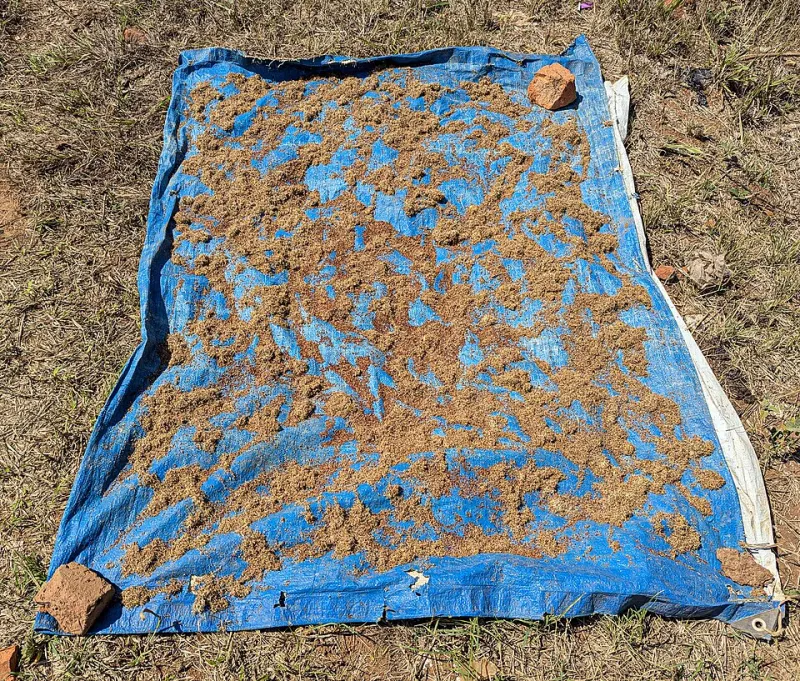
Photo: Ssemmanda will, CC BY-SA 4.0, via Wikimedia Commons
Let us begin with a confession most American hosts will recognize: we have turned the shared meal into a scheduling problem. Guests are offered a two-hour window. Drinks come with a hard stop. Somewhere between the appetizers and the checkout time, the transaction completes, and everyone drives home having consumed food but perhaps not much else.
Among the Lepcha people of Sikkim and the eastern Himalaya, hospitality operates on an entirely different clock — and an entirely different premise. The guest is not an interruption to the household's evening. The guest is the reason the evening exists. What follows are five customs, drawn from Lepcha food culture, that read less like exotic trivia and more like a repair manual for American table life.
1. The Cup Is Never Allowed to Empty
Start with the drink. Lepcha households are famous for chi — a fermented millet brew, mildly alcoholic, earthy, and served warm in a bamboo vessel. The etiquette is simple and relentless: a host keeps the guest's cup full. To let it run dry is to suggest the visit has gone on too long.
Contrast this with the American reflex of asking, barely twenty minutes after arrival, "Can I get you anything?" — a question that outsources hospitality to the guest. The Lepcha approach flips the burden. The host watches, anticipates, refills. Nobody has to ask.
Try this: stop asking guests what they want to drink. Notice what they're drinking, and keep it coming.
2. Eating First Is Not Rude — Refusing Is
In many American homes, the host hovers, plate untouched, insisting "I'll eat later." This is framed as generosity, but it often reads as anxiety — and it puts guests in the awkward position of performing appetite while the host watches.
Lepcha custom tends toward the opposite: eating together, and eating first as the host, is an act of reassurance. The first bite signals that the food is good, safe, and meant to be enjoyed. Hunger is not something to hide at this table; it is something to honor.
3. The Meal Outlasts the Food
A Lepcha gathering does not end when the plates are cleared, because the meal was never really about the plates. Conversation, song, and — in many communities — the slow, communal sipping of that millet brew can extend for hours after the last grain of rice. The food is the occasion; the company is the content.
The American dinner party, by comparison, often treats dessert as a natural exit ramp. What if we treated the last bite as the midpoint instead?
Try this: when planning a gathering, budget as much time after the meal as before it. No agenda. Just the table.
4. Strangers Are Fed Before They Are Interviewed
There is a sequence to Lepcha hospitality that deserves attention: sustenance precedes scrutiny. A traveler arriving at a village home is offered food and drink before questions about business, origin, or purpose. The meal establishes relationship; conversation follows.
American social life often inverts this. We interrogate first — what do you do, where do you live, how do you know the host — and only then, if the interview goes well, do we share a table. The Lepcha sequence builds trust before it builds small talk.
5. Leaving Hungry Is a Host's Failure
Perhaps the deepest difference is the standard of success. In the Lepcha moral universe, a guest who leaves without having eaten well reflects not on the guest, but on the household. Generosity at the table is not a personality trait; it is an obligation, one of the quiet pillars of a good life.
That reframing is useful precisely because it removes the performance. You do not need to be a charming host. You need to be a sufficient one. Put out more food than seems reasonable, then let people take what they need.
The Larger Point
None of this requires a trip to Gangtok or a batch of home-fermented millet beer. The customs translate because they address a universal problem: the modern meal has been optimized for efficiency at the exact expense of connection. The Lepcha table — slow, generous, sequenced around relationship rather than schedule — is not nostalgia. It is a working alternative, tested over centuries, available to anyone willing to let the pot of tea go cold while the conversation stays warm.