Roots and Remedies: How Lepcha Healers Are Bringing Himalayan Plant Medicine Into the Scientific Conversation
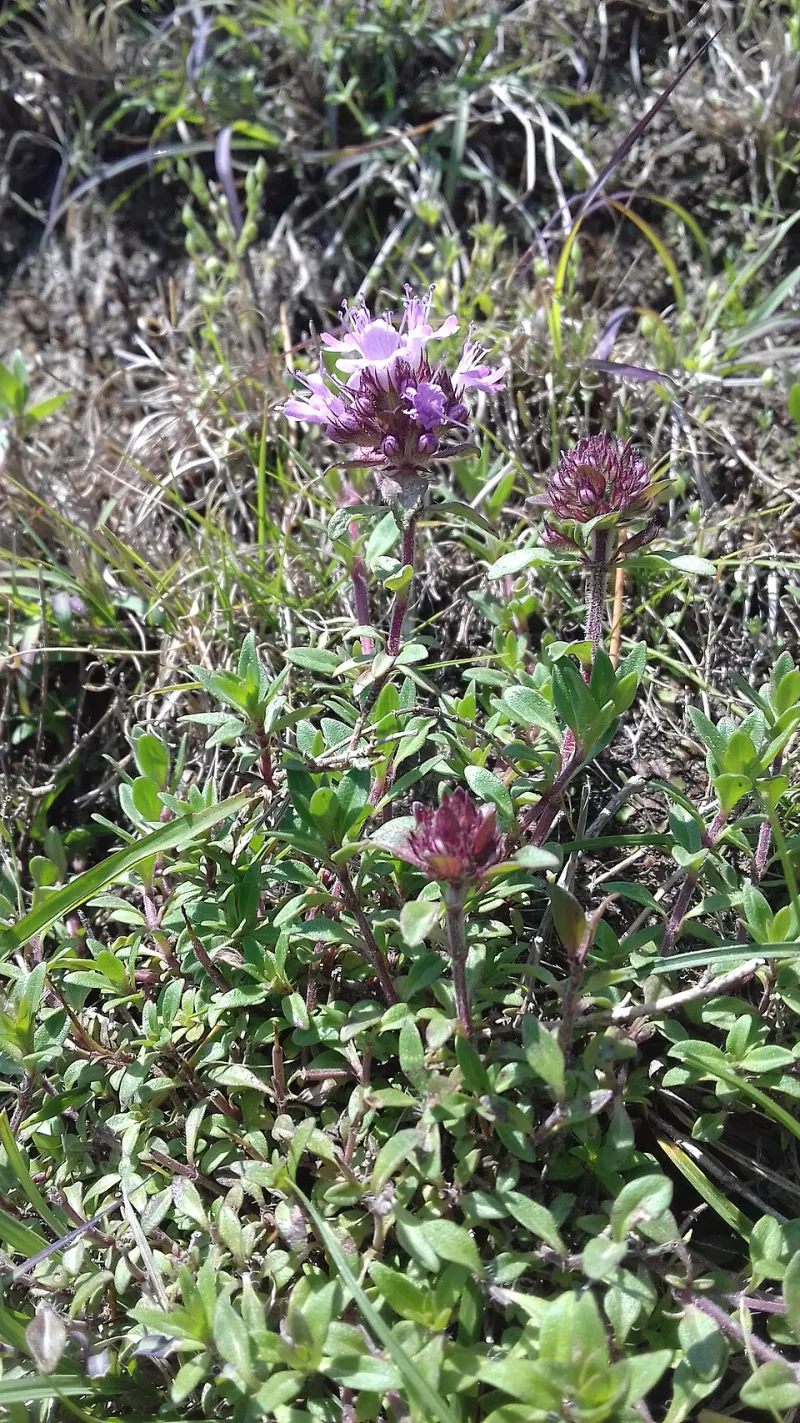
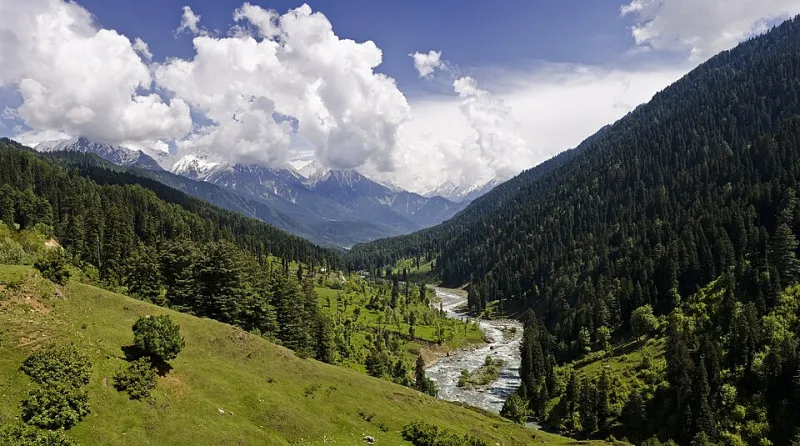
Photo: Kusum thakur, CC BY-SA 4.0, via Wikimedia Commons
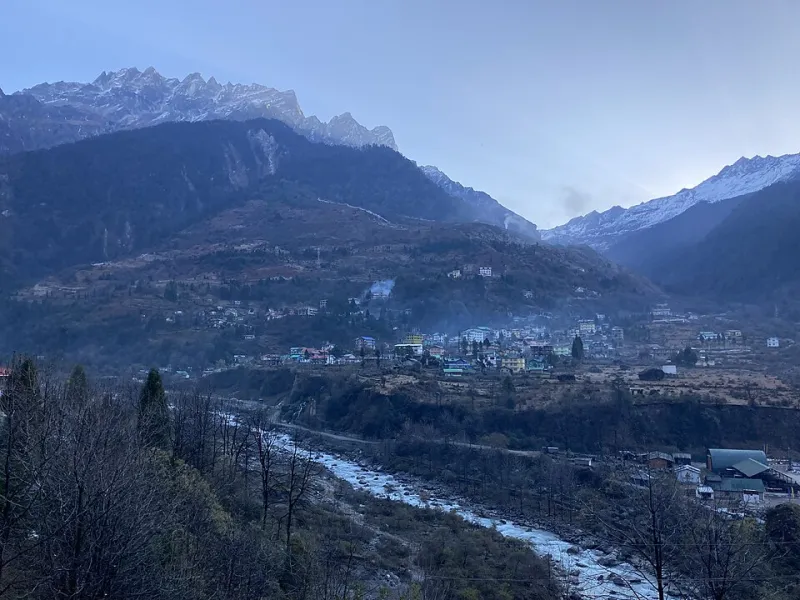
On a steep forested hillside above the Teesta River, a Lepcha bóngthíng—a traditional healer—moves with practiced ease among plants that most visitors to Sikkim would walk past without recognition. She pauses at a low-growing herb with serrated leaves, explains its use in treating respiratory ailments that worsen in the cold months, and describes the precise preparation method her grandmother taught her: the ratio of fresh to dried leaf, the temperature of the water, the time of day the remedy should be administered. This is not folk wisdom loosely remembered. It is a precise, reproducible protocol developed and refined over generations.
Across the world, in laboratories at universities in California, Maryland, and Massachusetts, researchers are documenting compounds found in Himalayan plant species that show measurable anti-inflammatory, antimicrobial, and adaptogenic properties. Some of these plants are the same ones Lepcha healers have used for centuries. The convergence is not coincidental—and it is raising questions that go well beyond the chemistry of any individual remedy.
A Medical Tradition Rooted in Place
Lepcha healing practice is inseparable from the landscape of the eastern Himalayas. The region's extraordinary biodiversity—Sikkim alone is home to over 4,500 flowering plant species—provided Lepcha healers with a pharmacopoeia of remarkable range. Over centuries, this community developed detailed knowledge of which plants treated which conditions, how preparation methods altered efficacy, which combinations produced synergistic effects, and how dosage varied by age, season, and the patient's constitutional type.
This last point is particularly significant to researchers familiar with Ayurvedic and other South Asian medical traditions. Lepcha healing does not treat conditions in isolation; it treats the whole person within their ecological and social context. A healer assessing a patient with chronic fatigue would consider not only physical symptoms but the patient's relationship to their community, their emotional state, and the current season—all factors that influence which remedy is appropriate.
The bóngthíng tradition, practiced by both men and women, involves years of apprenticeship under an established healer. The knowledge transmitted is not primarily textual; it is experiential, observational, and relational. A healer learns to identify plants across their full seasonal range, to recognize the subtle variations in appearance that signal optimal harvesting time, and to understand the ecological relationships between medicinal plants and the other species that share their habitat.
Where Science and Tradition Are Meeting
In recent years, ethnobotanists and pharmacologists have intensified their study of Himalayan medicinal plants, and the results have attracted significant attention in the scientific community. Several plant species long used in Lepcha healing have yielded compounds now being studied in clinical contexts.
One prominent example involves species of Swertia, a genus of alpine herbs used by Lepcha healers to address liver complaints and digestive disorders. Modern phytochemical analysis has identified xanthone compounds in several Swertia species with demonstrated hepatoprotective properties—that is, they appear to protect liver cells from damage. A 2021 study published in the Journal of Ethnopharmacology specifically cited traditional Himalayan uses of Swertia as a starting point for its investigation.
Similarly, several adaptogenic plant preparations used in Lepcha practice—formulas designed to help the body respond to physical and environmental stress—overlap significantly with compounds now being marketed in the United States under the broad category of "adaptogen supplements." Ashwagandha has received the most mainstream attention, but researchers are increasingly interested in lesser-known Himalayan species that Lepcha healers have used in comparable ways.
Dr. Priya Sharma, an ethnobotanist at a research institution in Gangtok who collaborates with both Lepcha community members and academic partners in the United States, describes the dynamic carefully. "What we are seeing is not simply the validation of traditional knowledge by Western science," she says. "It is more accurate to say that Western science is catching up to questions that Lepcha healers have been answering empirically for a very long time. The challenge is to ensure that recognition of this fact comes with appropriate respect and material benefit for the communities that developed it."
The Intellectual Property Problem
Herein lies one of the most contentious dimensions of the current moment. As awareness of Himalayan medicinal plants grows in the United States and other Western markets, the risk of what researchers call "biopiracy"—the appropriation of indigenous knowledge without consent, credit, or compensation—is substantial.
The legal frameworks governing intellectual property were not designed with indigenous knowledge systems in mind. Patents require novelty; knowledge that has been practiced for centuries in a community setting does not qualify as a novel invention, even if it has never been formally documented in a way accessible to patent examiners. This creates a troubling gap: a pharmaceutical company that identifies an active compound in a plant used by Lepcha healers, synthesizes or standardizes it, and patents the resulting formulation may do so entirely within existing law—while the community whose knowledge pointed the way to that discovery receives nothing.
International efforts to address this gap, including the Nagoya Protocol under the Convention on Biological Diversity, provide a framework for benefit-sharing agreements between researchers and indigenous communities. However, implementation is inconsistent, and enforcement is limited, particularly when the companies involved are based in jurisdictions—including the United States—where domestic intellectual property law takes precedence.
For American wellness companies currently marketing products derived from or inspired by Himalayan plant traditions, the ethical standard being advocated by indigenous rights organizations is clear: prior informed consent from affected communities, transparent attribution of knowledge sources, and equitable revenue-sharing arrangements. Some companies are beginning to adopt these practices voluntarily; many have not.
Healers as Collaborators, Not Sources
The most productive models currently emerging treat Lepcha healers not as data sources to be extracted but as collaborators in ongoing research. Organizations like the Foundation for Revitalisation of Local Health Traditions, based in Bangalore, have developed community-controlled documentation protocols that allow indigenous medical knowledge to be recorded in ways that the community itself governs. These protocols specify who may access the knowledge, under what conditions, and what obligations researchers assume when they engage with it.
Some Lepcha healers have participated in joint research projects with Himalayan universities in which traditional remedies are tested using both community-defined efficacy criteria and laboratory methods. These projects, when conducted with genuine reciprocity, produce knowledge that is richer than either tradition could generate independently. The healer's understanding of preparation, dosage, and patient-specific variation provides context that biochemical analysis alone cannot supply.
For American audiences, the relevance of this model extends beyond academic interest. The wellness industry in the United States is a multi-hundred-billion-dollar sector that draws heavily on global traditional knowledge—from turmeric lattes to adaptogen powders to Ayurvedic skincare. The question of whether that industry engages with its sources ethically is not merely philosophical. It has direct consequences for communities like the Lepcha, whose healing traditions represent not only cultural heritage but, in many cases, the primary healthcare system available to their members.
A Living System
It would be a mistake to treat Lepcha healing knowledge as a static archive awaiting scientific confirmation. It is a living system, continuously updated by practitioners who observe their patients, their plants, and their landscape with the same rigor that any good scientist brings to observation. Climate change is already altering the distribution and phenology of medicinal plants in the eastern Himalayas, and Lepcha healers are among the first to document these shifts—not in journal articles, but in the accumulated adjustments they make to their practice season by season.
For researchers, policymakers, and consumers in the United States, the Lepcha healing tradition offers both a resource and a responsibility. The resource is a body of knowledge refined over centuries in one of the world's most biodiverse regions. The responsibility is to engage with that knowledge—and with the people who carry it—in a manner worthy of its depth.